Building Automation & Environmental Monitoring
Designing, implementing, and integrating building automation and environmental monitoring systems for regulated production facilities — from HVAC control to GMP-relevant environmental data.
Building Automation and Environmental Monitoring systems control and supervise the facility conditions that support regulated manufacturing. In pharmaceutical, life science, cleanroom, and high-spec industrial facilities, these systems manage HVAC, room pressure, temperature, humidity, utilities, alarms, and environmental data collection.
KeyPlants delivers BMS and EMS solutions that connect facility control, environmental monitoring, operator interfaces, alarms, and data handling into a structured operational layer. The work covers design, implementation, integration, commissioning support, and modernization of systems used in GMP and production-critical environments.
Typical challenges include fragmented building systems, unclear alarm ownership, limited environmental data visibility, legacy BMS platforms, and insufficient integration between facility systems and production or quality workflows. A well-designed solution supports stable operation, traceable monitoring, and reliable follow-up of environmental deviations.
What we deliver
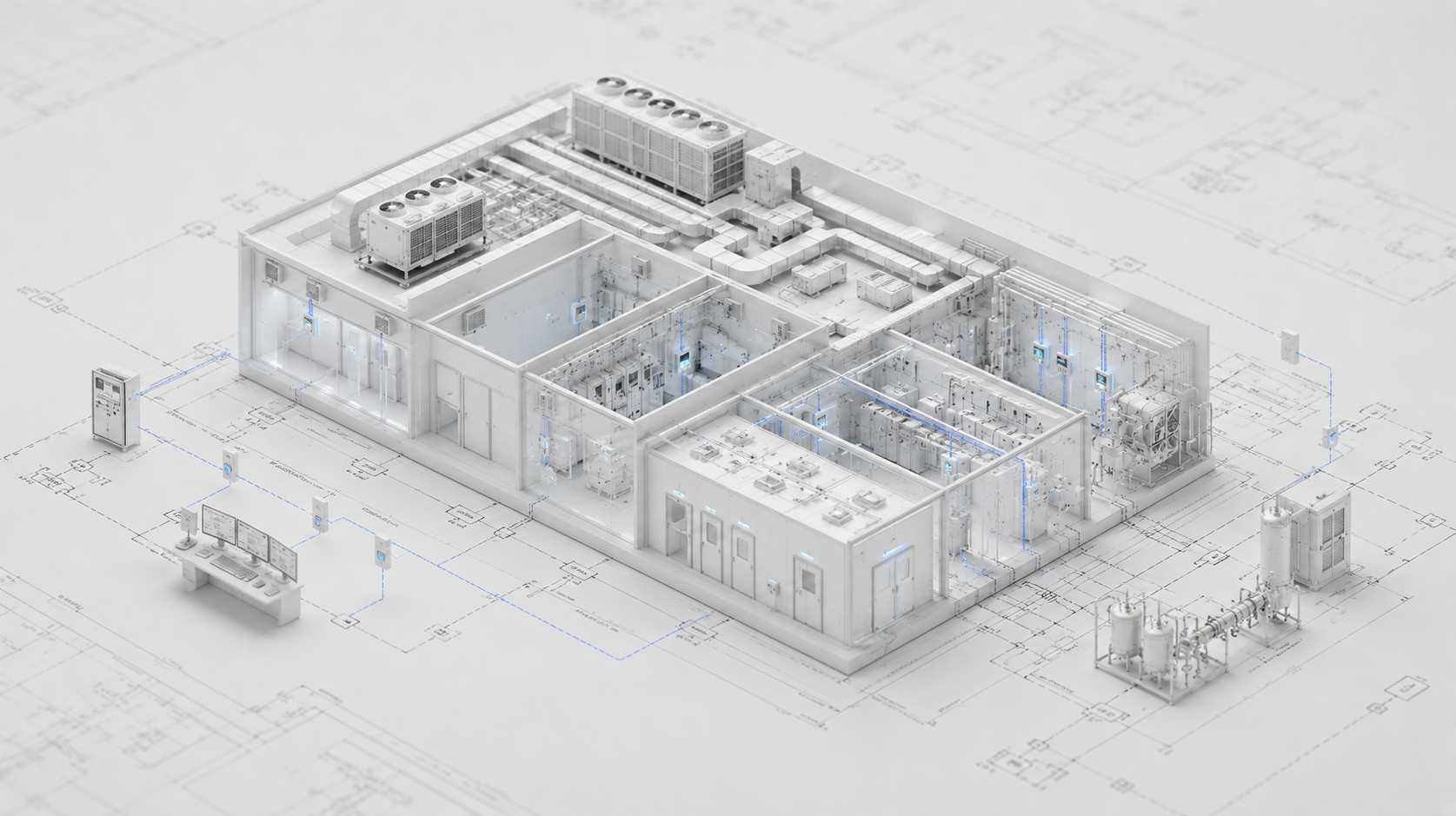

We design and implement BMS solutions for HVAC, cleanrooms, utilities, and technical building systems, aligned with facility requirements, operating modes, and regulated production needs.

We support EMS design and implementation for GMP-critical environments, including monitoring of temperature, humidity, differential pressure, particles, alarms, trends, and deviation-supporting data.

We integrate BMS, EMS, SCADA, historians, and reporting systems, and support modernization of legacy platforms while reducing disruption to ongoing facility operation.
How it works
KeyPlants approaches building automation and environmental monitoring as an engineering delivery, starting from facility requirements and ending with verified operation, maintainable documentation, and lifecycle readiness. The work is performed within KeyPlants’ established quality system, providing a structured framework for design, review, testing, documentation, and handover.
1. Define requirements, zones, and critical parameters
The work starts by mapping room classifications, HVAC zones, pressure regimes, operating modes, critical parameters, alarm priorities, and data ownership. This defines what must be controlled, what must be monitored, and which signals require GMP-relevant handling.
2. Design, configure, and integrate the solution
Control logic, monitoring points, operator interfaces, alarms, trends, and system integrations are configured according to the approved design. BMS and EMS functions are connected to field instruments, HVAC equipment, packaged units, SCADA, historians, and site IT/OT infrastructure where required.
3. Test, commission, and prepare for regulated operation
The solution is verified through functional testing, alarm testing, commissioning support, and documentation review. For regulated environments, the work supports qualification activities, data integrity expectations, handover to operations, and long-term maintainability, with reviews and deliverables managed according to the applicable quality processes.

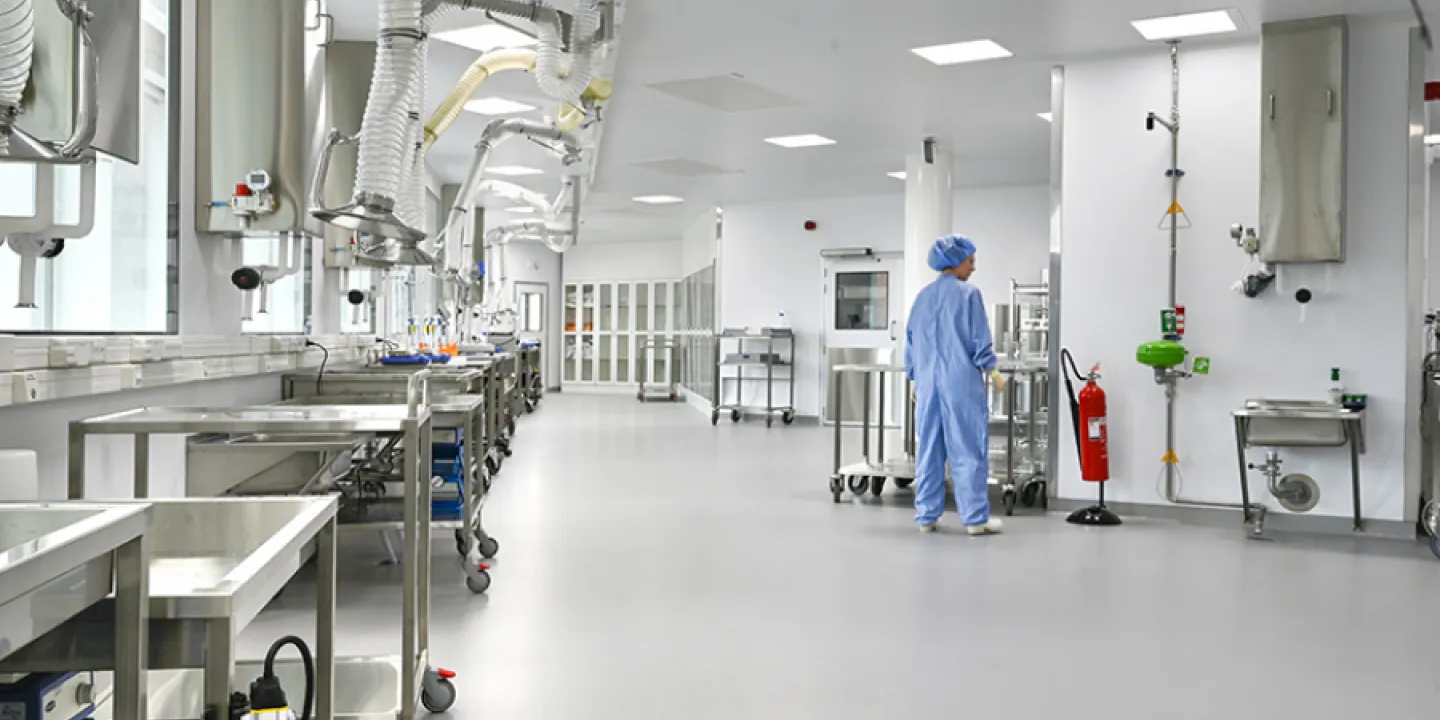
Reference project
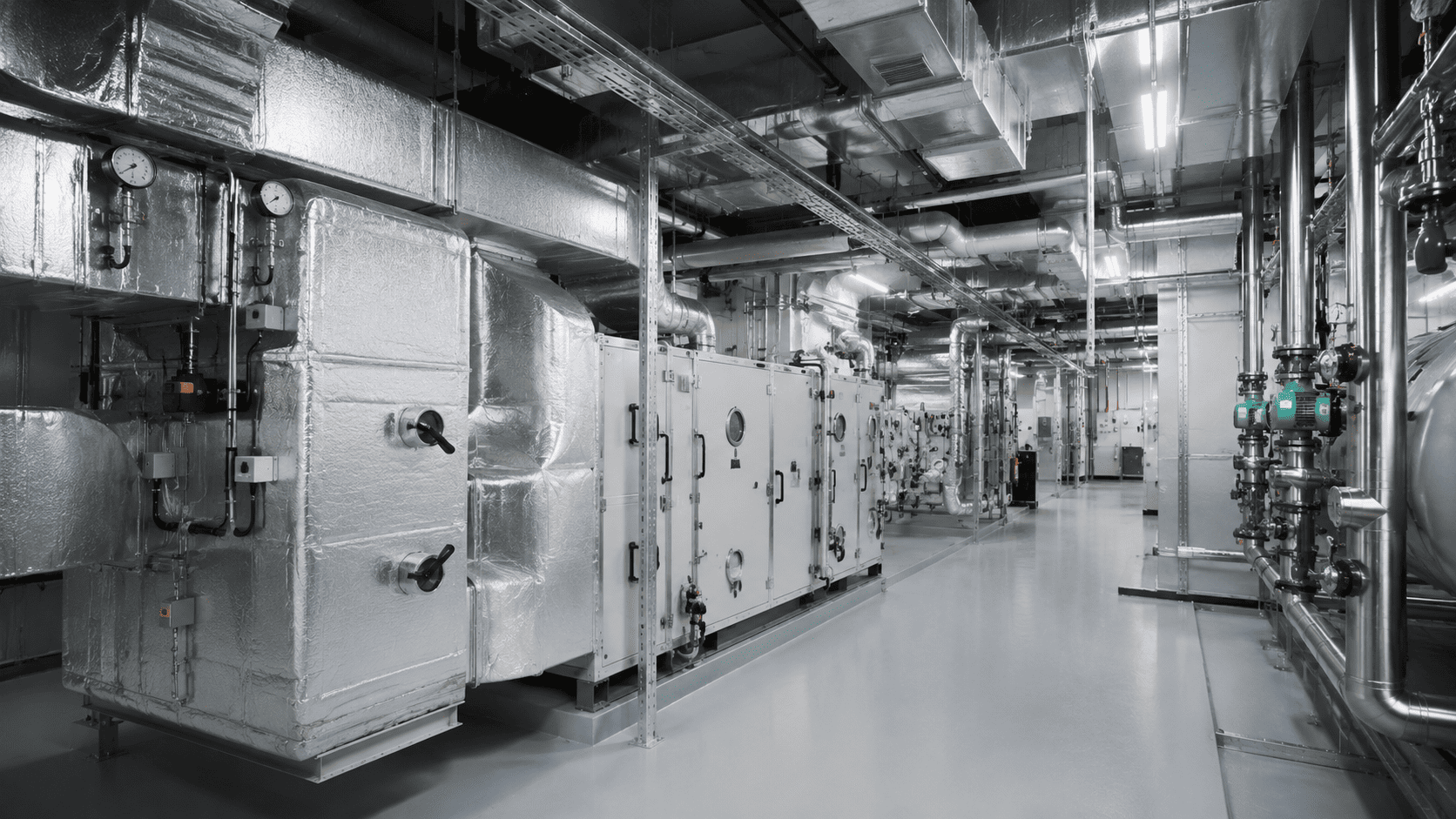
Automation of cleanroom HVAC system to reduce airflow and save energy outside working hours while maintaining cleanroom and employee safety standards.
Technologies & platforms
KeyPlants works with building automation and monitoring technologies commonly used in pharmaceutical, cleanroom, and industrial facility environments.
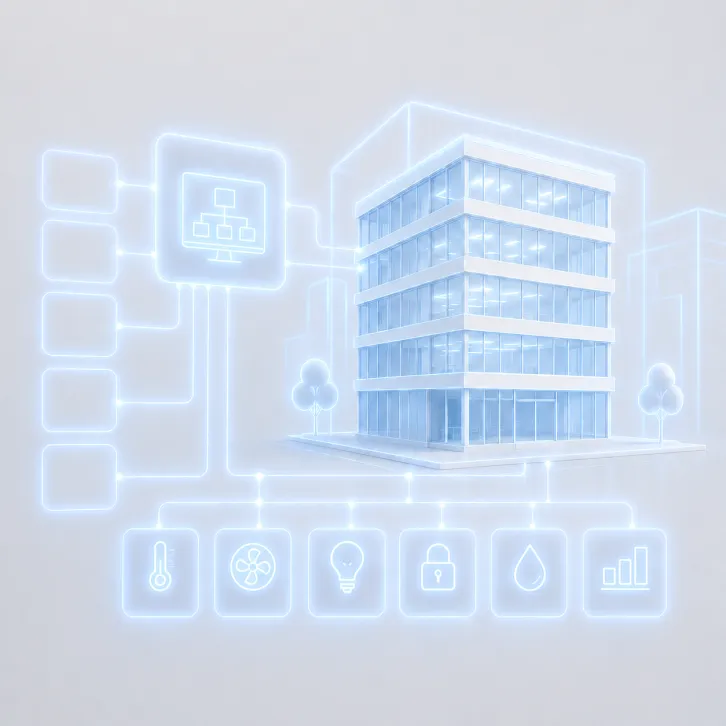
Building automation & BMS
Building automation & BMS
We work with BMS platforms such as Siemens Desigo CC, Schneider Electric EcoStruxure Building Operation, and BACnet-based building automation architectures.
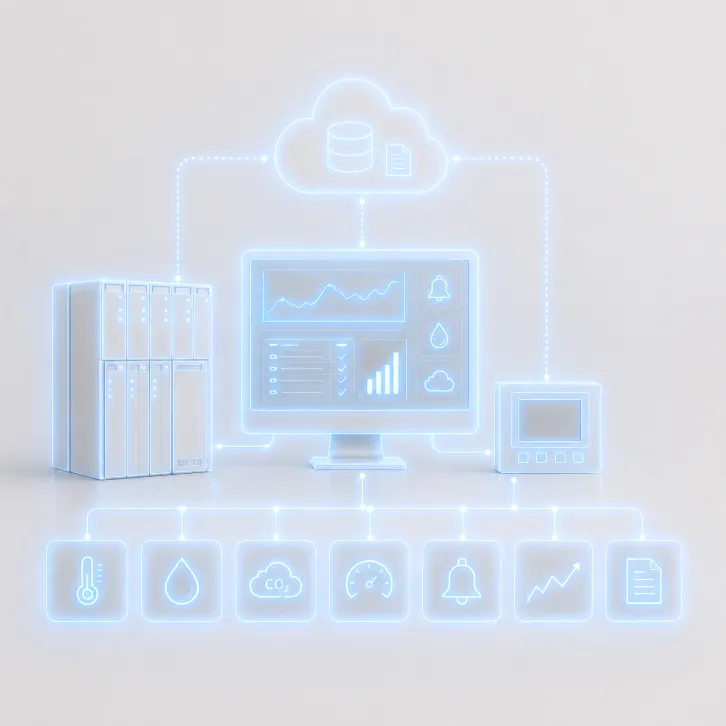
Environmental monitoring & SCADA
Environmental monitoring & SCADA
We design and support monitoring solutions using EMS platforms, SCADA systems, and reporting interfaces for environmental data, alarms, trends, and GMP-relevant records.
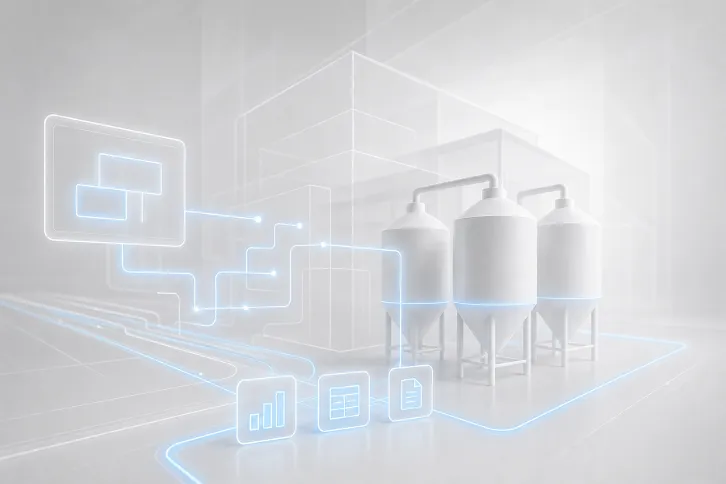
Integration & communication
Integration & communication
We support integration using BACnet, Modbus TCP/RTU, OPC UA, SQL, historian interfaces, to connect facility systems with automation, reporting, and site IT/OT infrastructure.
Hear from our quality manager
What is the main difference between standard building automation and building automation for regulated production environments?
"In a regulated facility, building automation cannot be treated as a comfort system only. The control strategy need to reflect room classification, product protection, alarm response, and data integrity. Robust solutions makes facilities stable for operations while also giving quality and engineering teams the data needed for product release, deviation management and improvements."
Susanne Stattin
- QUALITY MANAGER, KEYPLANTS AUTOMATION

Talk to our sales representative for more information
FAQ
FAQ
What does a building automation system control in a pharmaceutical facility?
A BMS typically controls HVAC systems, room pressure, temperature, humidity, utilities, dampers, valves, fans, and related technical building functions. In regulated facilities, the control strategy must also reflect room classifications, production needs, and alarm response requirements.
What is the role of environmental monitoring in GMP environments?
Environmental monitoring captures and records critical conditions such as temperature, humidity, differential pressure, particles, and selected room or equipment states. The data supports routine review, deviation investigations, trend analysis, and evidence of controlled environmental conditions.
Can BMS and EMS be integrated?
Yes, but the integration should be designed with clear boundaries. BMS is normally focused on active control, while EMS may handle GMP-relevant monitoring and records. Shared visibility is useful, but data ownership, access control, and auditability must be defined.
How can legacy building automation systems be modernized?
Modernization can be performed through phased upgrades, controller replacement, supervisory platform migration, network updates, alarm review, and improved data integration. The objective is to reduce technical risk while maintaining production continuity and minimizing disruption to facility operations.
What makes KeyPlants’ approach different?
For building automation and environmental monitoring projects, KeyPlants supports the full lifecycle from requirements and architecture to implementation, commissioning support, and long-term system improvement.


Get in touch
Please complete the form to the right and a representative will be in touch with you shortly.