

Connectivity, Integration & IIoT
Designing and implementing structured connectivity between industrial equipment, automation systems, data layers, and enterprise applications.
Connectivity, Integration & IIoT covers the integration layer that allows equipment, control systems, MES, historians, laboratory systems, cloud services, and business applications to exchange data in a controlled and maintainable way. In regulated manufacturing, this layer is essential for reliable operations, traceable data flow, and scalable digital initiatives.
KeyPlants designs and implements industrial connectivity solutions across OT, IT, edge, and data platform environments. The scope includes integration architecture, protocol selection, middleware, REST-based integrations, data movement, contextualization, and Unified Namespace principles where they are technically justified.
Many sites struggle with fragmented point-to-point interfaces, unclear system ownership, inconsistent data structures, and legacy systems that were not designed for modern data consumption. A structured integration approach reduces technical risk, improves data availability, and creates a stronger foundation for analytics, reporting, and future Industry 4.0 use cases.
What we deliver
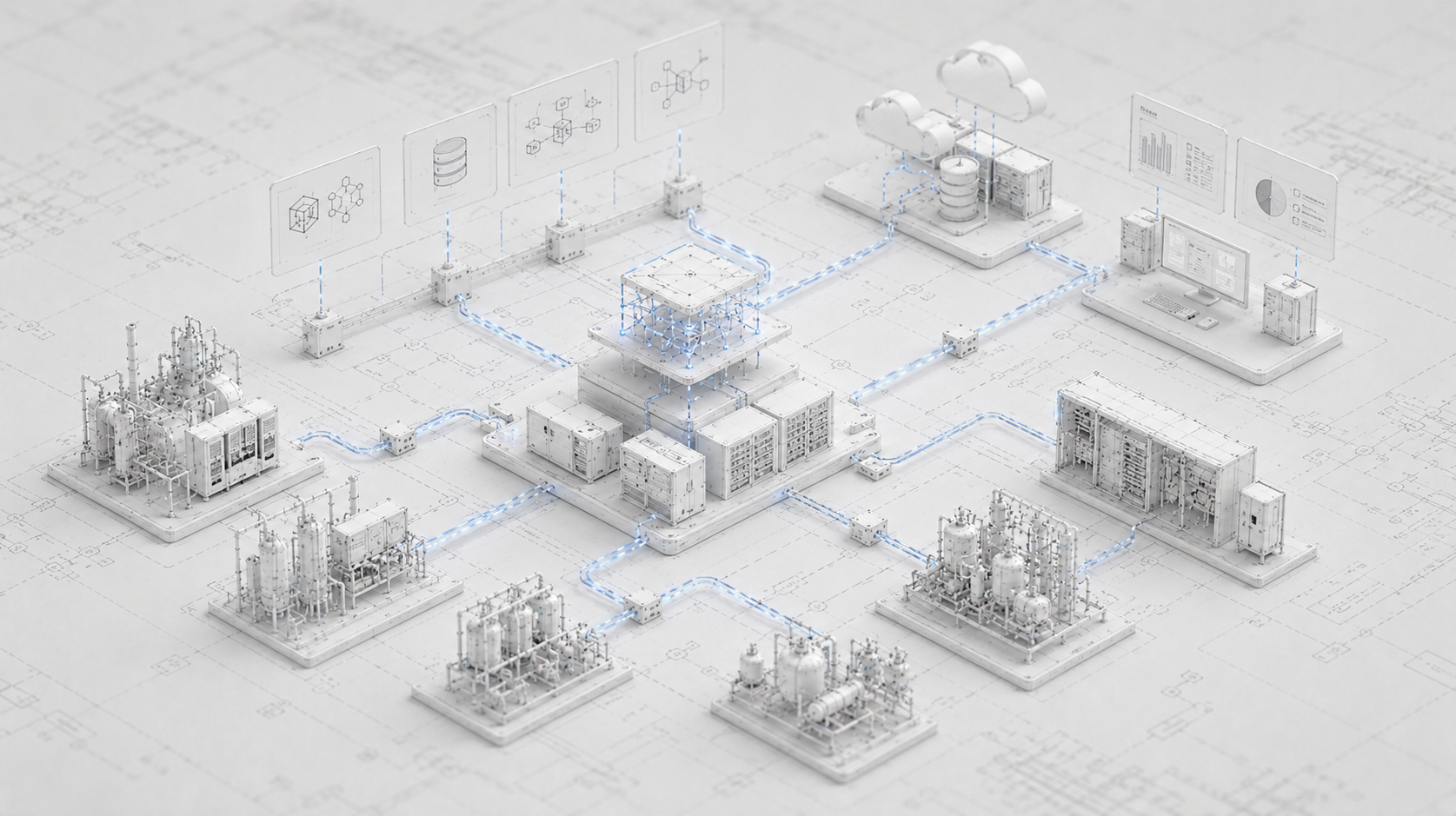

We define integration principles, system boundaries, coupling models, and interface patterns based on operational requirements, regulatory expectations, and the role each system plays in production.

We design and implement connectivity using OPC UA, MQTT, REST APIs, middleware, edge gateways, and protocol conversion to connect equipment, automation systems, MES, LIMS, historians, and enterprise platforms.

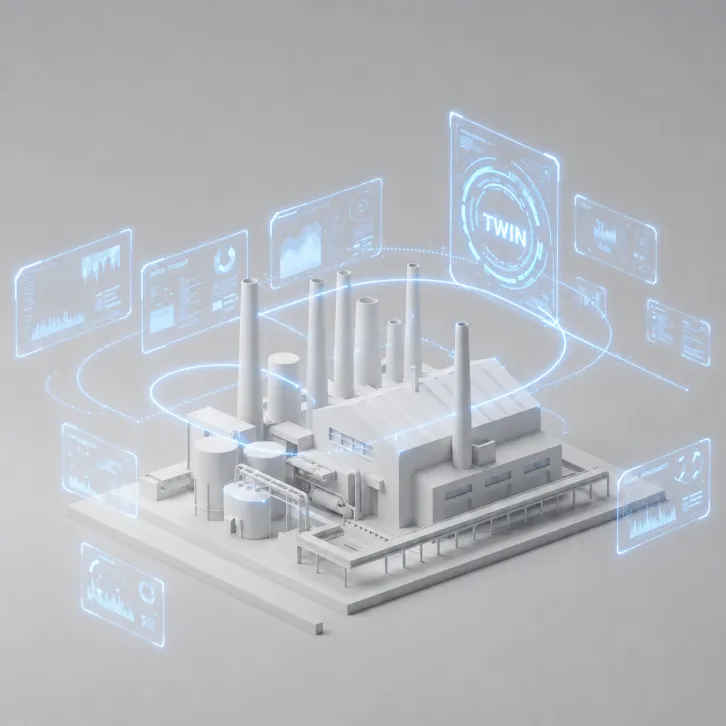
We support data movement, contextualization, and Unified Namespace architectures using data hub and DataOps principles, enabling structured industrial data for reporting, analytics, monitoring, and cloud-connected use cases.
How it works
Connectivity projects start by defining the purpose of each data flow, then selecting the integration pattern, platform components, and technology that best fit the operational use case and site architecture.
1. Define requirements and integration patterns
KeyPlants maps source systems, consuming systems, data ownership, latency, validation needs, and operational dependencies. This determines whether the interface should be tightly coupled, loosely coupled, or decoupled, and where integration responsibilities should sit.
2. Select platforms and coordinate IT architecture
KeyPlants supports selection of suitable connectivity platforms, middleware, edge components, brokers, and data hub layers. The work is coordinated with IT and OT architecture, including network segmentation, hosting model, access control, cybersecurity principles, and lifecycle ownership.
3. Implement, verify, and prepare for operation
Interfaces are implemented using technologies such as OPC UA, REST APIs, MQTT, edge gateways, middleware, or data hub layers. Testing covers payloads, timestamps, acknowledgements, data quality, access control, and failure scenarios.

Talk to our sales representative for more information
Reference project
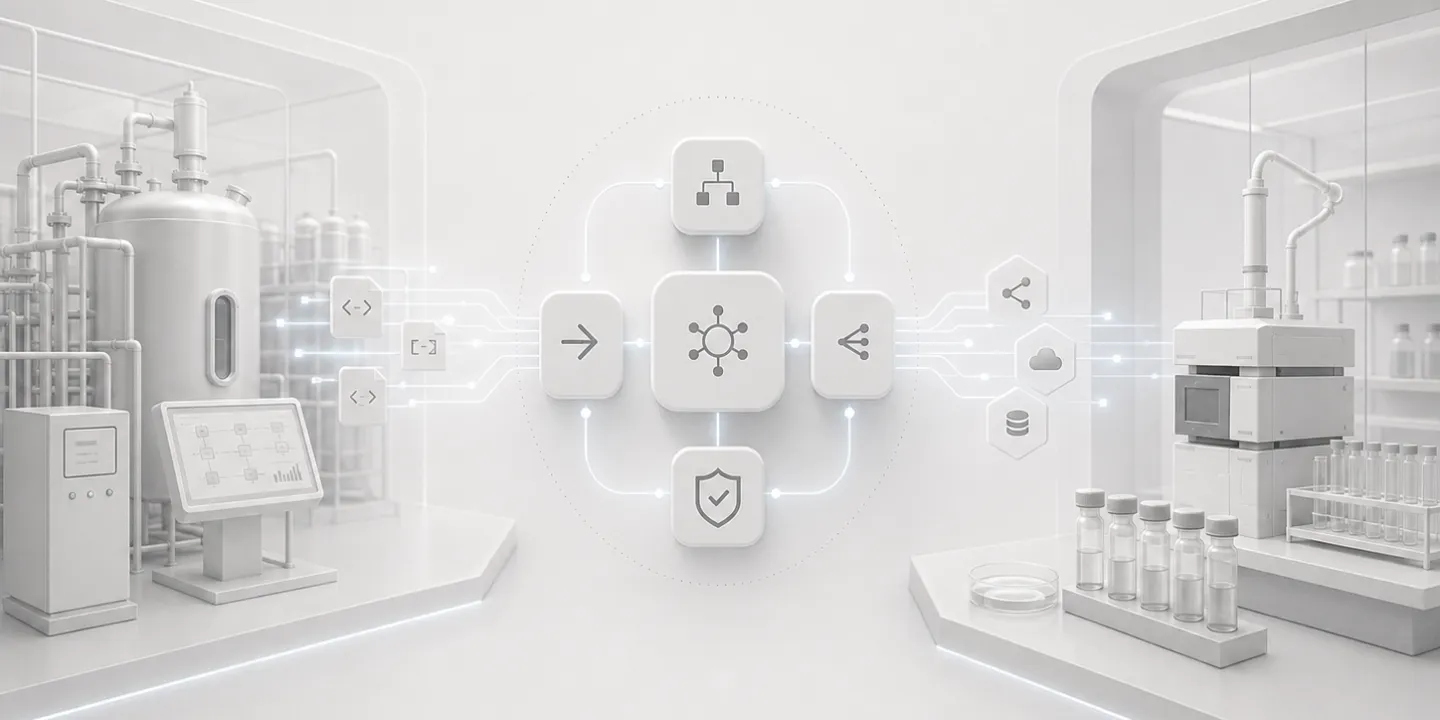
A structured Python middleware prototype was developed to validate controlled message exchange between PAS-X MES and LabVantage LIMS. The prototype received MSI-formatted XML messages, validated workflow requests, dispatched downstream REST operations, and prepared structured responses for the originating system.
Technologies & platforms
KeyPlants works with integration technologies selected according to system role, operational criticality, and data consumption needs.

Industrial communication
Industrial communication
We design industrial communication using OPC UA for structured equipment and automation data, MQTT for publish-subscribe distribution, and Sparkplug B where standardized payloads and state awareness are required.
System integration & middleware
System integration & middleware
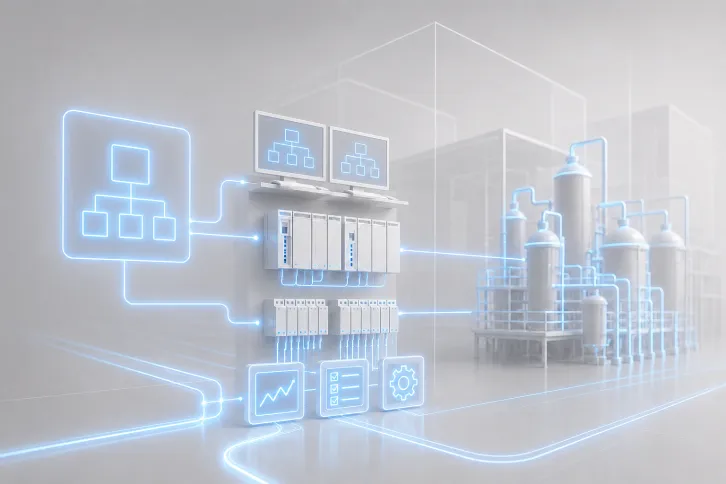
We support REST API integrations, XML and JSON message handling, SQL-based interfaces, and middleware patterns for routing, validation, transformation, and error handling between MES, LIMS, QMS, ERP, historians, and data platforms.
DataOps, UNS & edge layers
DataOps, UNS & edge layers
FAQ
FAQ
What does Connectivity, Integration & IIoT include?
It includes the architecture and implementation of interfaces between equipment, automation systems, MES, LIMS, historians, data platforms, cloud services, and enterprise applications. The work can include protocol selection, middleware, REST integrations, edge connectivity, data movement, and contextualization.
When is OPC UA better than MQTT?
OPC UA is often better for structured communication with equipment, control systems, and automation platforms where live process data and system browsing are important. MQTT is often better for distributing data to multiple consumers using a publish-subscribe model, especially in Unified Namespace architectures.
Is a Unified Namespace always the right solution?
No. A Unified Namespace is useful when several systems need consistent access to operational data without creating many point-to-point integrations. For a single controlled transaction between two systems, a direct interface or middleware-based integration may be more appropriate.
Can legacy systems be included in an IIoT architecture?
Yes. Legacy systems can often be integrated through protocol conversion, database interfaces, file exchange, edge gateways, or middleware. The selected approach depends on available interfaces, data criticality, cybersecurity constraints, and whether the data is used for operations, reporting, or regulated records.
How does KeyPlants reduce integration risk in regulated environments?
KeyPlants defines interface ownership, data structures, error handling, access control, testing scope, and documentation early in the project. This supports reliable implementation and provides a clearer basis for commissioning, qualification support, and lifecycle maintenance.


Get in touch
Please complete the form to the right and a representative will be in touch with you shortly.