Industrial Data & Historian
Designing and implementing historian architectures, data models, and reporting foundations that support process visibility, compliance needs, and future analytics.
Industrial data and historian systems provide the foundation for reliable access to process, batch, alarm, equipment, and environmental data. In regulated manufacturing, this data must be collected, stored, contextualized, and made available in a way that supports operational decisions, investigations, reporting, and long-term compliance expectations.
KeyPlants supports the design and implementation of industrial data architectures for pharmaceutical and life science production environments. This includes historian strategy, data collection design, tag and metadata structures, data integrity considerations, and preparation of data for reporting, analytics, and future digital use cases.
Many production sites rely on fragmented data sources, aging system components, inconsistent tag structures, or limited access to historical process information. A structured historian and industrial data layer helps reduce these dependencies, improve data availability, and create a stronger technical foundation for digital manufacturing initiatives.
What we deliver
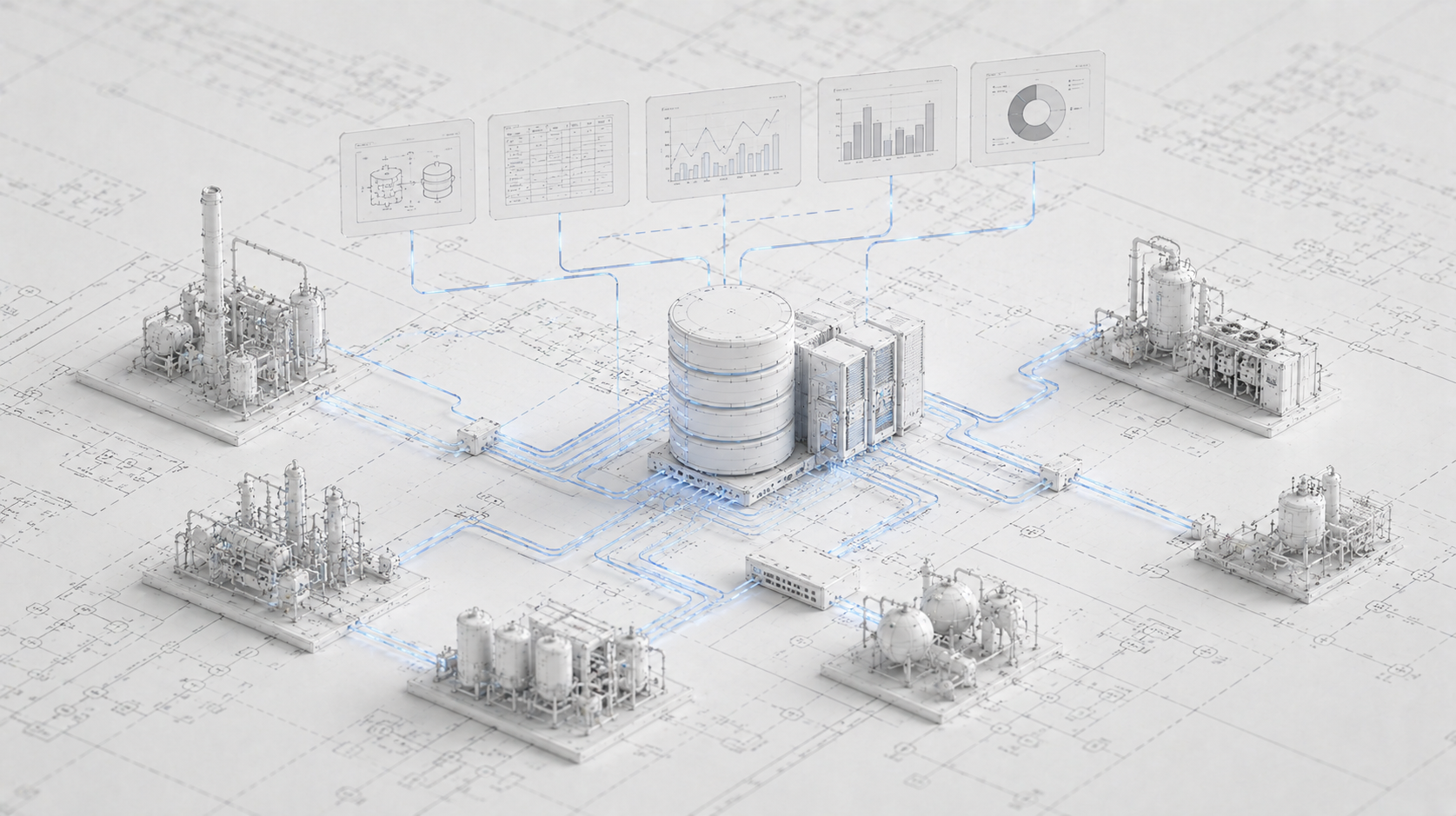

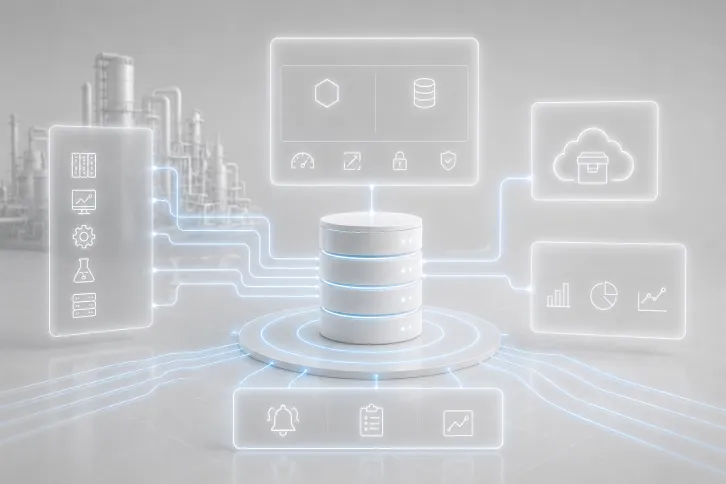
KeyPlants designs and implements central historian architectures for process, batch, alarm, and equipment data, including data collection strategy, tag structure, metadata definition, modernization, and long-term archiving.

KeyPlants structures industrial data with asset, area, equipment, recipe, batch, and production event context, while supporting ownership, access, retention, traceability, and data integrity expectations.

How it works
KeyPlants approaches industrial data and historian projects by defining the operational and compliance purpose of the data, then designing the collection, storage, contextualization, and consumption layers around it.
1. Define data scope, ownership and architecture
The work starts by identifying which data must be collected, why it is needed, how it will be used, and who owns it. KeyPlants maps source systems, critical signals, retention needs, access requirements, and compliance expectations to define the historian architecture.
2. Implement historian structure and contextualized data flows
Historian configuration is built around defined tag structures, naming conventions, metadata, and data flow requirements. Data is structured with asset, equipment, batch, and production context, using ISA-95 principles or site-specific standards where relevant.
3. Verify data quality, access and lifecycle readiness
Testing verifies data availability, timestamps, signal quality, retention logic, access control, and source-to-historian mapping. KeyPlants also supports documentation, reporting preparation, and lifecycle readiness so the historian can be maintained and expanded over time.

Talk to our sales representative for more information

Reference project
A pharmaceutical production site needed to improve long-term access to reliable process data and reduce dependency on aging system components. KeyPlants Automation supported the implementation of a central historian architecture, including secure data collection, long-term archiving, data integrity considerations, and preparation for future reporting and analytics. The result was a more robust industrial data layer supporting operational visibility, compliance needs, and future digital initiatives.
Technologies & Platforms
KeyPlants works with historian, data integration, and reporting technologies selected to match the facility architecture and regulatory context.
Historians and industrial data platforms
Historians and industrial data platforms
KeyPlants supports central historian architectures for process, alarm, event, and batch data, including AVEVA PI System and Siemens Process Historian. We deliver new implementations, modernization, and consolidation of legacy or distributed data sources.

Contextualization and information models
Contextualization and information models
KeyPlants structures raw signals into operational context through tag naming, metadata, asset hierarchy, equipment context, batch references, recipe links, production events, and ISA-95-aligned information models where relevant.
Reporting and analytics interfaces
Reporting and analytics interfaces
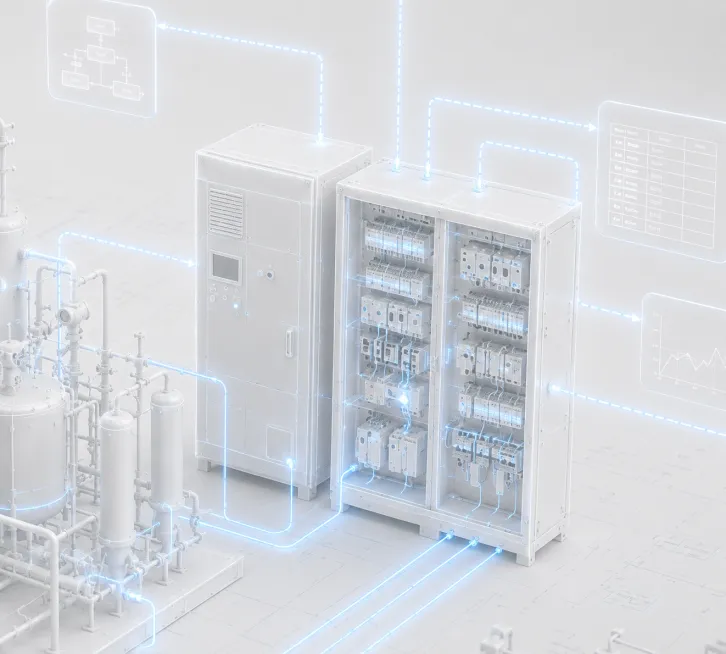
KeyPlants supports controlled use of historian data in dashboards, batch reports, investigations, KPI/OEE views, and analytics environments through extraction logic, source validation, quality checks, and secure data access.
FAQ
FAQ
What is the purpose of a central historian in pharmaceutical manufacturing?
A central historian collects and stores production data from relevant systems and equipment so it can be accessed reliably over time. In pharmaceutical manufacturing, this supports process visibility, investigations, reporting, data retention, and a stronger foundation for compliance-related data use.
How does historian work relate to data integrity?
Historian design affects how data is collected, stored, accessed, retained, and interpreted. KeyPlants considers ownership, traceability, access control, timestamp behavior, retention principles, and controlled data handling to support GMP, GAMP 5, ALCOA+, and site-specific data integrity expectations.
Can historian systems be modernized without replacing everything?
Yes. Many projects involve modernization, consolidation, or extension of existing historian environments rather than full replacement. KeyPlants can help assess legacy dependencies, define migration needs, improve data structures, and strengthen long-term data availability while reducing disruption to production.
How is historian data prepared for reporting and analytics?
Historian data must be structured and validated before it can be used effectively. KeyPlants supports tag-to-context mapping, metadata definition, data quality checks, source validation, and controlled extraction logic for dashboards, batch reports, investigations, KPI tracking, and analytics use cases.
What makes KeyPlants’ approach different?
KeyPlants combines automation, regulated manufacturing experience, and industrial data architecture. This makes it possible to design historian solutions that fit both the technical control environment and the operational, compliance, and lifecycle needs of pharmaceutical production.


Get in touch
Please complete the form to the right and a representative will be in touch with you shortly.