
Digital Twins & Virtual Commissioning
Simulating and testing automation logic, process behavior, and operator workflows before site commissioning begins.
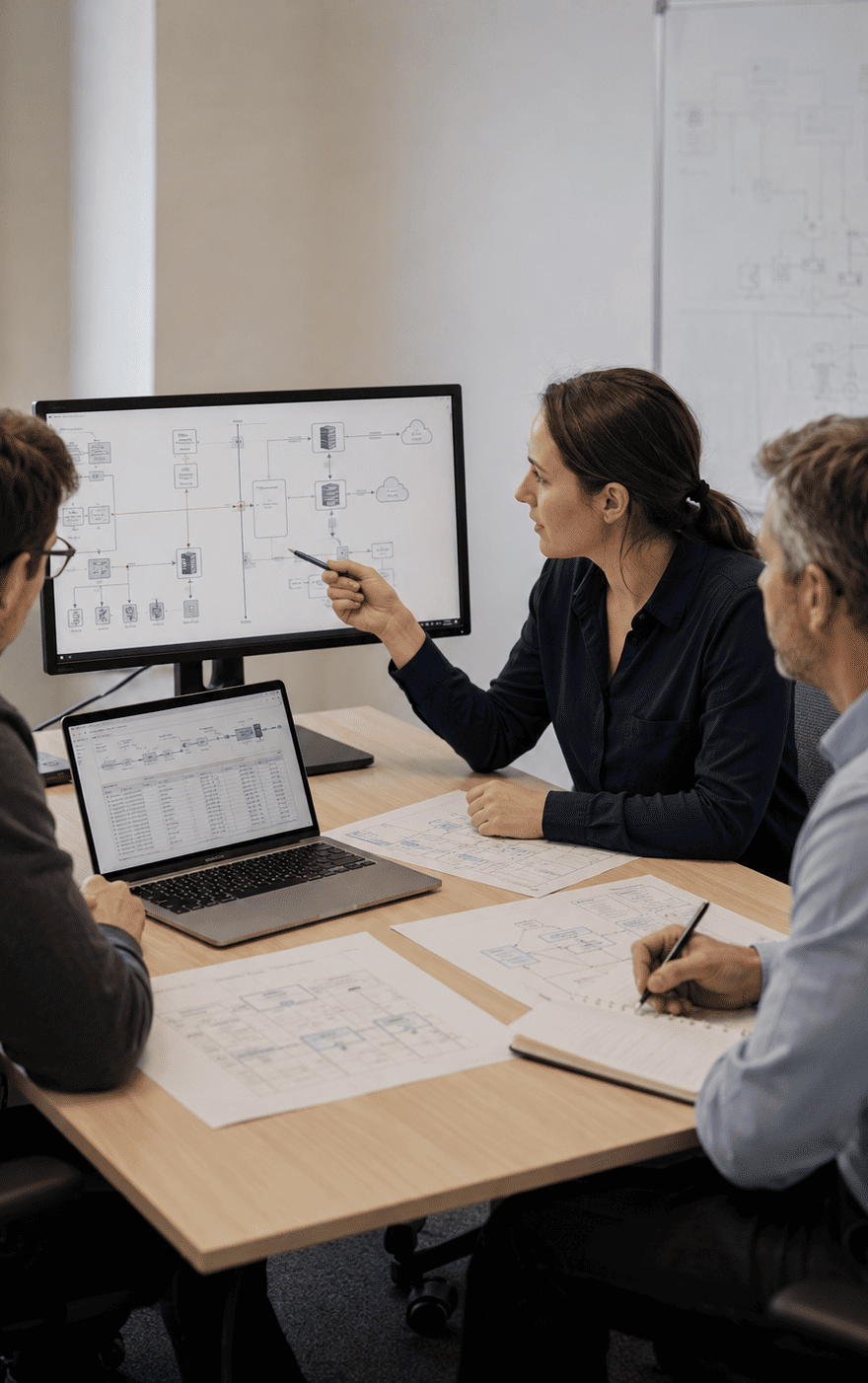
Digital twins and virtual commissioning use simulation models to verify automation behavior before the physical system is fully available. In regulated manufacturing, this supports earlier testing of sequences, interlocks, alarms, batch logic, operator actions, and abnormal scenarios where late changes can affect commissioning, qualification, and production readiness.
KeyPlants develops and applies simulation-based test environments as part of automation delivery. This includes defining the simulation scope, building equipment and process behavior models, connecting the model to automation logic, and executing structured virtual test scenarios before site activities.
Many projects face commissioning risk due to parallel engineering, modular equipment delivery, incomplete field availability, or complex integration between automation, equipment, and production workflows. Virtual commissioning helps move defect detection into an earlier and more controlled project phase.
What we deliver
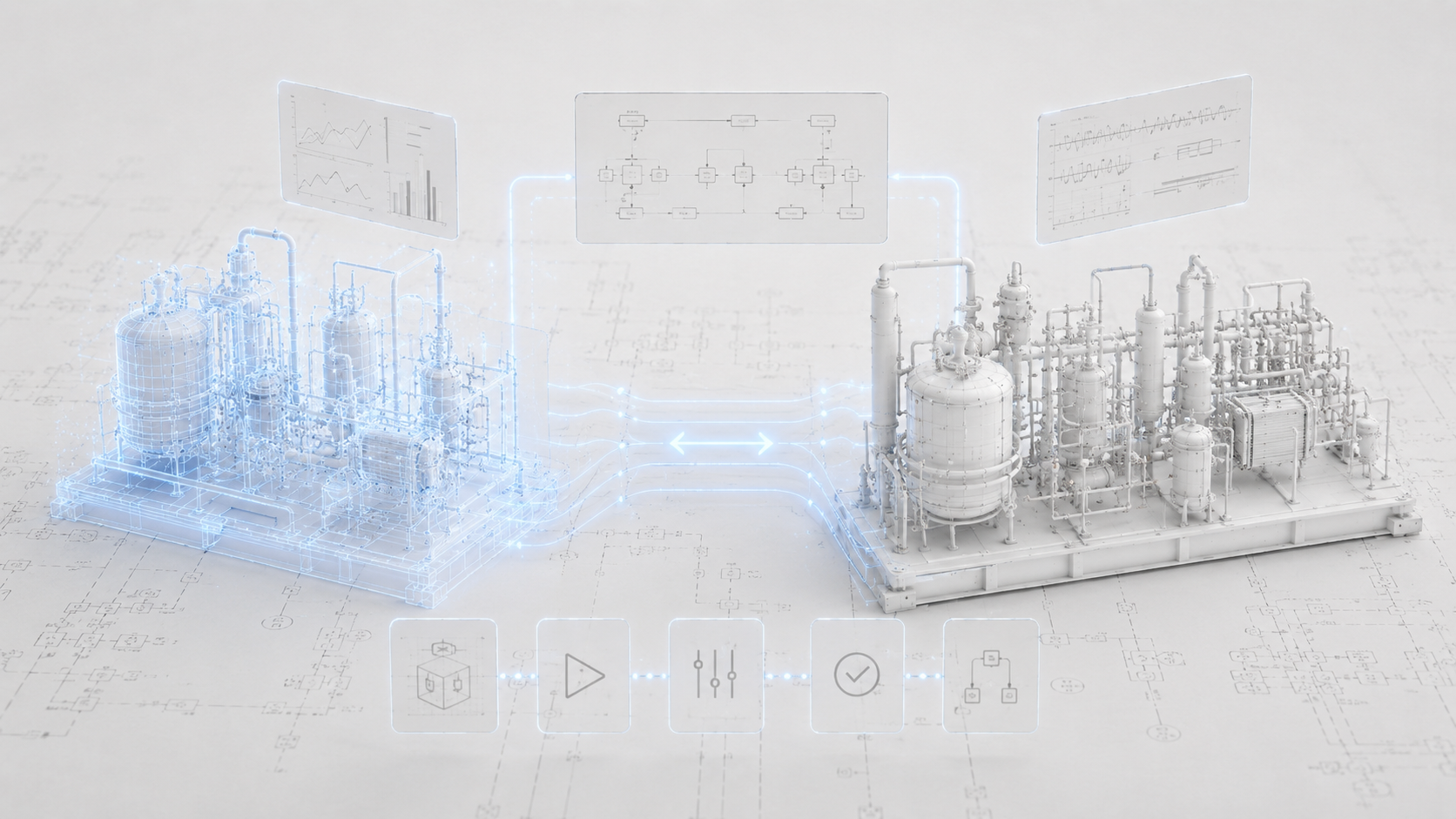

KeyPlants defines simulation objectives, model fidelity, test boundaries, and commissioning priorities based on process complexity, automation design, batch requirements, and project risk.

KeyPlants develops simulation models representing relevant equipment behavior, process responses, system states, alarms, interlocks, and operating scenarios required for automation testing.

KeyPlants supports virtual FAT, pre-SAT preparation, operator workflow testing, HMI review, issue resolution, and documentation of test scenarios and commissioning findings.
How it works
KeyPlants approaches digital twin and virtual commissioning projects by defining what must be proven before site execution, then building and testing a simulation environment around those risks.
1. Define simulation scope and commissioning risk
The work starts by identifying the automation functions and operating scenarios that carry the highest commissioning risk. This typically includes batch sequences, equipment modules, interlocks, permissives, alarms, startup and shutdown logic, and operator interventions. The result is a defined simulation scope with clear boundaries and test priorities.
2. Build and connect the simulation environment
Simulation models are developed to represent the equipment states, feedback signals, process values, and abnormal conditions required for testing. The simulation environment is connected to the automation logic through defined signal interfaces, object mappings, or communication layers so the control system can execute against realistic simulated behavior.
3. Execute virtual testing and prepare for site commissioning
Test scenarios are executed before physical commissioning to verify logic, HMI behavior, alarm response, sequence handling, and recovery scenarios. Findings are used to refine automation logic, clarify operating procedures, prepare documentation, and improve readiness for site commissioning, SAT, and qualification support.
Talk to our sales representative for more information
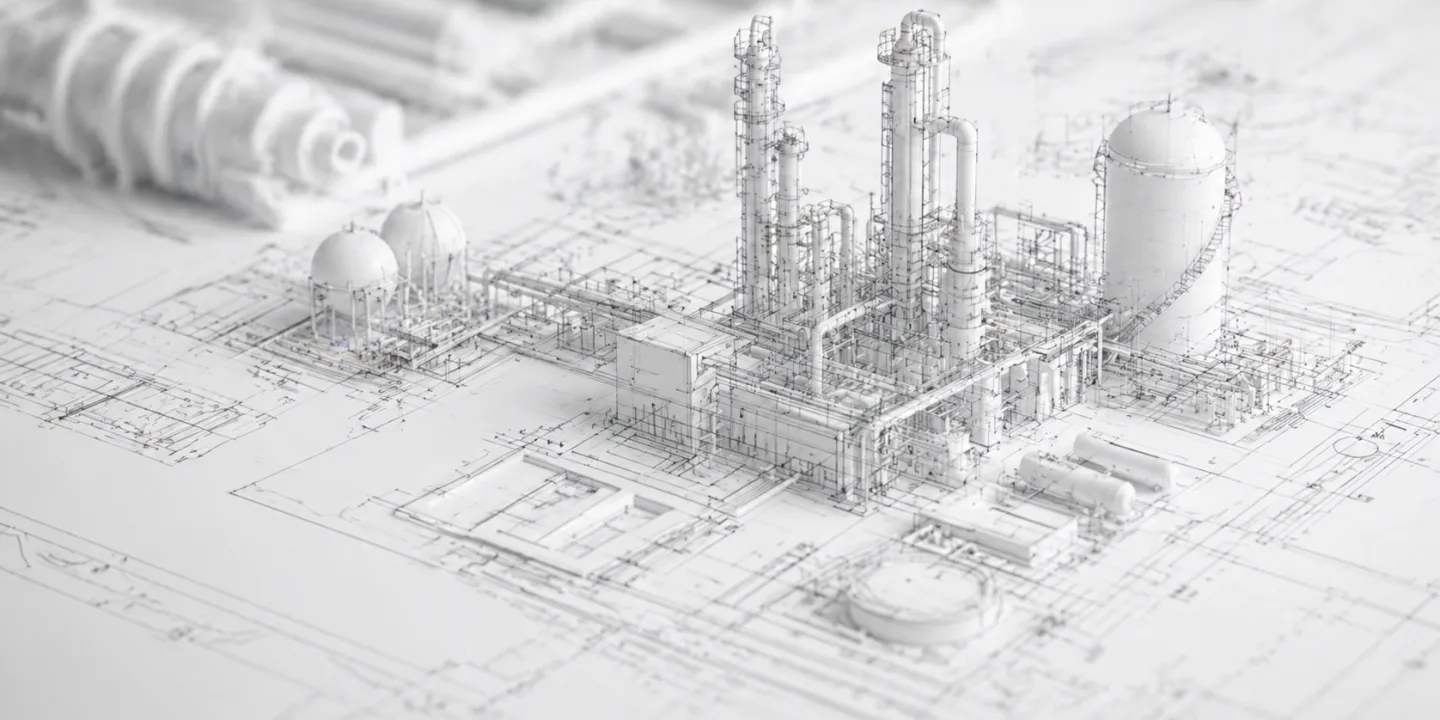
Reference project
Digital twin of the novel spray drying process which Keyplants Automation delivered the automation system for. Virtual replica of the process- and batch control system fully integrated with a high-fidelity process simulation.
Technologies & platforms
KeyPlants works with simulation, automation, and test technologies selected according to model fidelity, system architecture, and commissioning risk.

Simulation and digital twin environments
Simulation and digital twin environments
KeyPlants works with simulation environments such as Siemens SIMIT to model equipment behavior, process responses, system states, and operating scenarios. Models can represent valves, motors, instruments, skids, package units, phase behavior, and abnormal conditions required for structured automation testing.
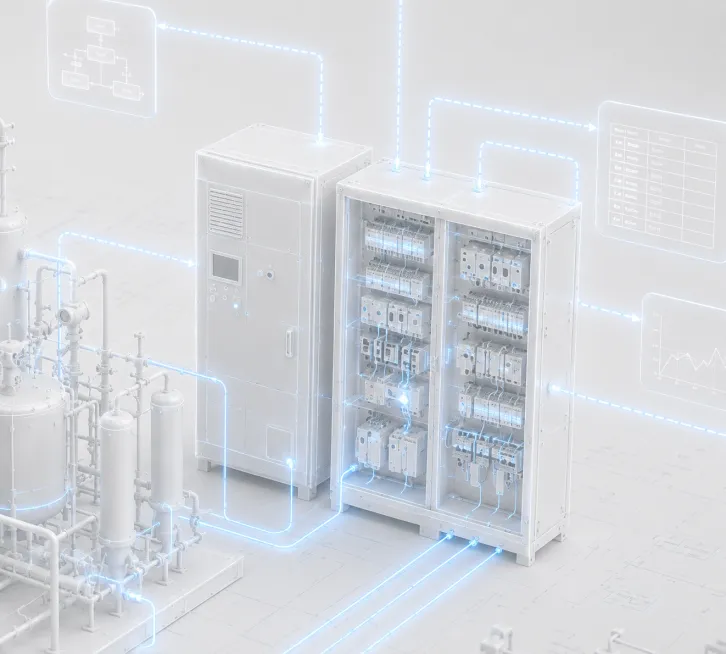
Automation system interfaces
Automation system interfaces
KeyPlants supports integration between simulation environments and automation logic using signal mapping, object-level interfaces, I/O simulation, and communication layers. This allows batch logic, interlocks, permissives, alarms, HMI behavior, and equipment modules to be tested before field installation is complete.
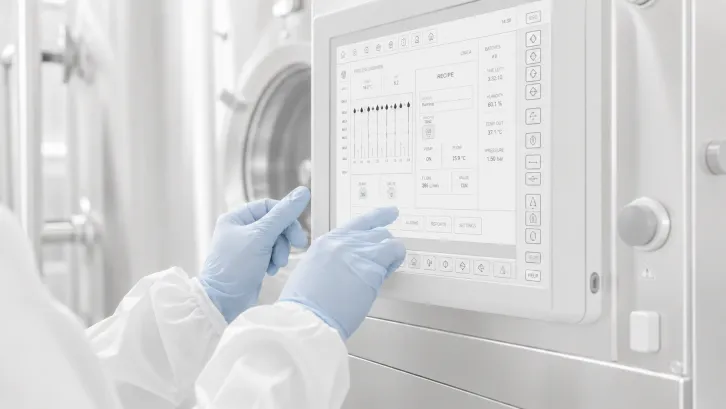
Test and commissioning methods
Test and commissioning methods
KeyPlants applies virtual FAT, pre-SAT preparation, scenario-based testing, issue tracking, and commissioning documentation. Test methods are structured to support traceability between requirements, simulated behavior, detected issues, corrections, and readiness for regulated site execution.
Hear from our Managing Director
How do digital twins and process models create value in turn-key automation projects?
"Digital twins and process models are useful when they are connected to real project decisions. In turn-key projects, they help us test automation concepts earlier, align process and control design, and reduce uncertainty before commissioning starts."
Kieran Blake
- Managing Director at KeyPlants Automation

FAQ
FAQ
What is the difference between a digital twin and virtual commissioning?
A digital twin is the simulation-based representation of relevant equipment, process behavior, or system states. Virtual commissioning is the use of that model to test automation logic, operator workflows, and commissioning scenarios before the physical system is fully available.
Can virtual commissioning replace FAT, SAT, or qualification?
No. Virtual commissioning supports FAT, SAT, and qualification by finding issues earlier and improving test readiness. Site testing, field verification, commissioning, and qualification activities are still required, especially in regulated manufacturing environments.
What level of simulation detail is needed?
The required model fidelity depends on the commissioning risk and test objectives. Some projects need signal-level simulation, while others require more detailed equipment behavior, batch response, process states, or abnormal scenarios. The model should be detailed enough to support the intended tests.
Can virtual commissioning be used in GMP environments?
Yes. Virtual commissioning can support GMP projects by enabling structured testing, clearer documentation, earlier issue resolution, and better preparation for formal commissioning and qualification. It does not remove the need for regulated verification on the final installed system.
When should virtual commissioning start in a project?
Virtual commissioning should start once the automation architecture, equipment logic, critical requirements, and interface boundaries are sufficiently defined. The highest value is achieved when simulation is used before software FAT and before site commissioning begins.


Get in touch
Please complete the form to the right and a representative will be in touch with you shortly.